Live online auctions like Saturday Live Auction Worcestershire have democratized art collecting with global access. Success requires understanding platform mechanics, setting clear goals, researching trends, and strategic bidding. Post-auction care includes environmental control, legal awareness, and collection strategy. Experts combine technical proficiency and keen observation to navigate digital auctions, securing valuable pieces while fostering a global artistic community.
Live online auctions have transformed the art collecting landscape, offering unprecedented access and participation for enthusiasts worldwide. Among these platforms, Saturday Live Auction Worcestershire stands out as a trusted hub, attracting both seasoned collectors and curious newcomers. However, navigating this dynamic space presents challenges—from ensuring the authenticity of artworks to understanding competitive bidding strategies. This authoritative piece delves into the intricacies, providing invaluable insights that empower collectors to maximize their experience, secure genuine art, and navigate Saturday Live Auction Worcestershire with confidence.
- Understanding Live Online Auctions for Art Collectors
- Preparing for Saturday Live Auction Worcestershire
- Bidding Strategies for Success in Online Art Auctions
- Post-Auction Care and Ownership of Collected Artworks
Understanding Live Online Auctions for Art Collectors
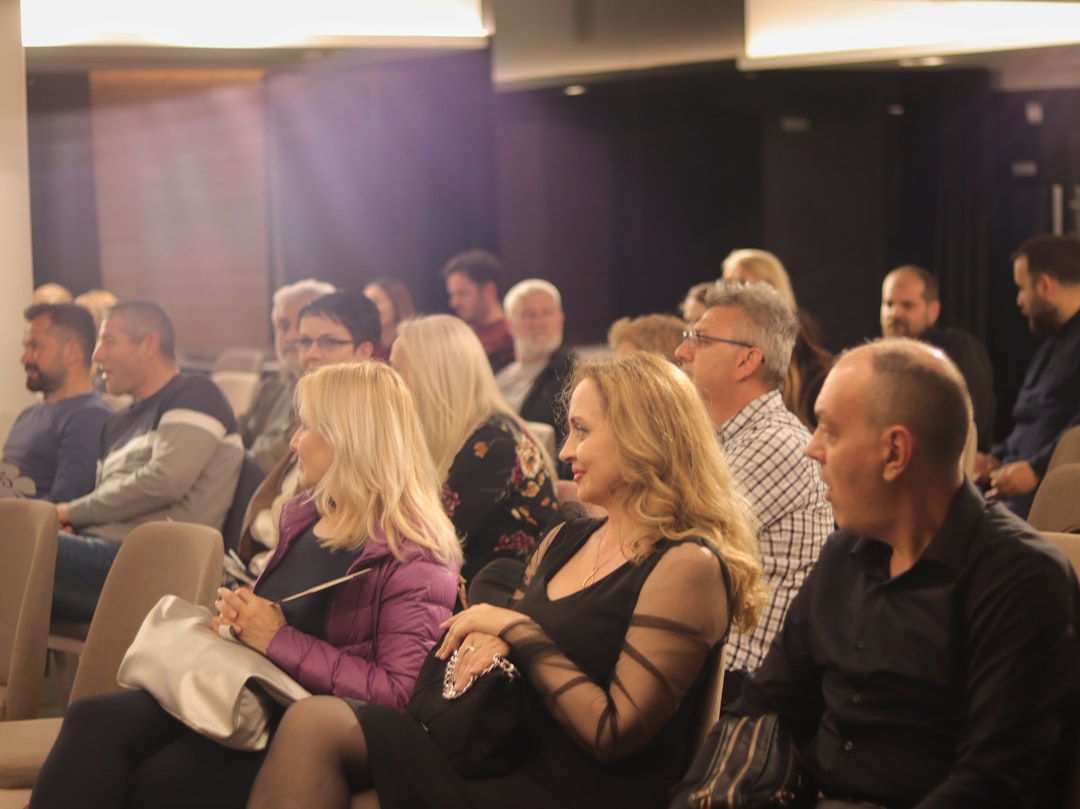
Live online auctions have transformed the art collecting landscape, offering unprecedented access and participation for enthusiasts worldwide. This innovative approach, exemplified by events like Saturday Live Auction Worcestershire, provides a dynamic platform for buyers and sellers to engage in real-time bidding, fostering an exciting and interactive buying experience. Art collectors benefit from the convenience of participating from anywhere, breaking geographical barriers traditionally associated with auction houses.
Understanding the intricacies of live online auctions is crucial for art enthusiasts looking to maximize their collecting opportunities. These virtual events demand a unique set of skills, including adept internet navigation, a keen eye for detail, and a strategic bidding approach. Collectors must familiarize themselves with the auction house’s platform, understanding the bidding mechanisms, time zones, and any additional fees or commissions. For instance, Saturday Live Auction Worcestershire employs a transparent bidding system, allowing participants to track their bids and those of competitors in real-time. This transparency is essential for informed decision-making, ensuring collectors stay within their budgets while securing desirable pieces.
To navigate this digital auction environment successfully, collectors should start by setting clear collection goals. Whether focusing on contemporary art or historical masterpieces, defining preferences narrows the vast array of options available. Additionally, establishing a budget and sticking to it is vital. Online auctions can evoke strong emotions due to the dynamic bidding process, encouraging impulsive purchases. Experienced collectors often leave room for negotiation, using their initial bid as a starting point rather than a maximum offer. For example, bidding strategies might include setting a floor price and incrementally increasing bids, allowing for strategic adjustments based on the auction’s progression. By combining technical proficiency with a discerning eye, art enthusiasts can successfully navigate live online auctions, securing valuable pieces while enjoying the convenience of global participation.
Preparing for Saturday Live Auction Worcestershire
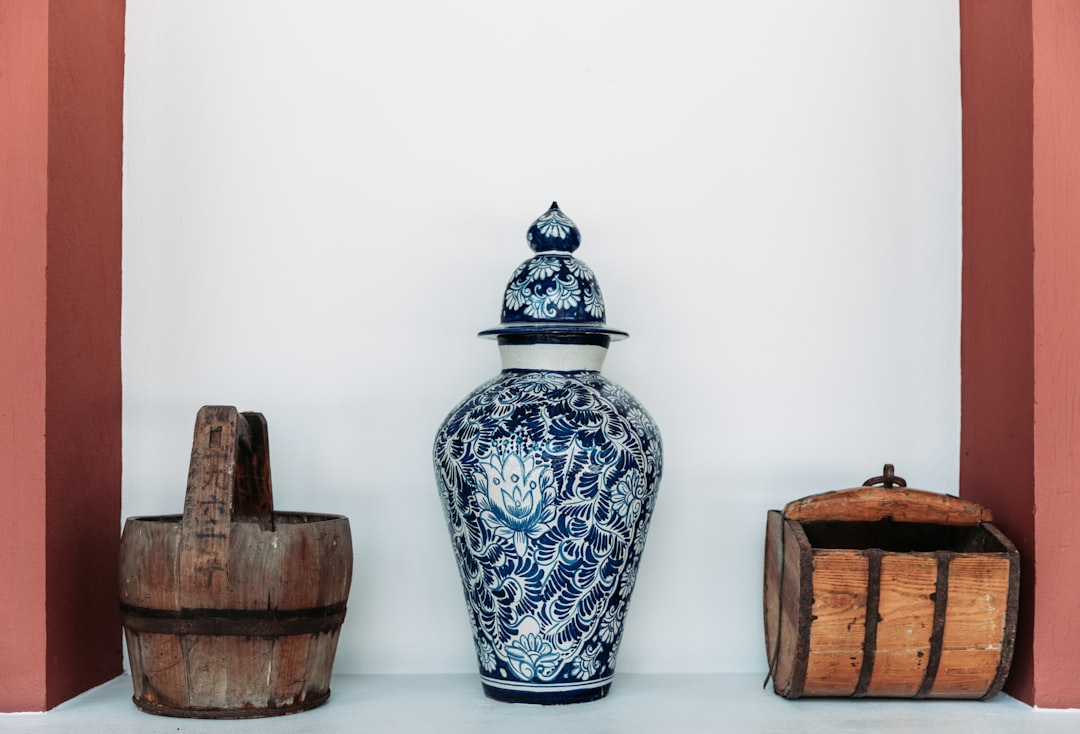
Preparing for Saturday Live Auction Worcestershire demands a strategic approach to maximize your collecting experience. Firstly, research is key; understand the artist profiles, styles, and trends featured in the auction. The Worcester auction house typically showcases a diverse range of artworks, from classical to contemporary. Study the catalogue meticulously, identifying pieces that align with your interests and budget. This preparation allows for informed bidding and helps you navigate the excitement of the live event.
Expert collectors often employ a set-price strategy, pre-deciding on a maximum bid amount based on research. For instance, if you’re targeting a specific modern artist, determine a reasonable range considering similar artworks’ past sales data. Saturday Live Auction Worcestershire provides detailed auction history online, offering valuable insights into price ranges and successful bidders. This information empowers collectors to make confident decisions, ensuring they stay within their collections’ vision and financial comfort zones.
On the day, arrive early to register, allowing ample time for any final checks. Inspect the artworks in person if possible; this physical interaction adds a layer of confidence. Bring all necessary identification and payment methods, ensuring you’re ready to act swiftly when your desired piece comes up for bid. Remember, live auctions are dynamic, and successful bidding requires a blend of knowledge, strategy, and a touch of passion for art.
Bidding Strategies for Success in Online Art Auctions

Bidding successfully in live online art auctions requires a strategic approach tailored to the unique dynamics of digital platforms. One notable event that illustrates this is Saturday Live Auction Worcestershire, which has garnered significant interest from collectors worldwide. Participants must adapt their strategies to navigate the virtual space effectively. A crucial aspect is understanding the timing and flow of bidding, as these can differ substantially from traditional settings. Online auctions often feature rapid-fire bids, requiring collectors to be agile and well-prepared with a pre-determined budget.
Expert bidders employ several techniques to stand out. One proven strategy is to research past auction trends and set realistic goals ahead of time. For example, tracking the average sale price of similar artworks can provide valuable insights into an item’s potential value. This data-driven approach allows collectors to make informed decisions and avoid impulsive bidding. Additionally, setting a maximum bid threshold ensures discipline and prevents overspending. Many successful bidders also engage with the auction house beforehand, seeking clarifications on artwork conditions or any unique aspects that could influence pricing.
Another vital strategy is to develop a sense of the auction’s rhythm. Online auctions often have distinct phases: initial slow bidding, rapid escalation, and the final stretch. Recognizing these patterns allows participants to time their bids accordingly. For instance, joining the bidding early can be advantageous, as it establishes a presence and may influence subsequent bidders’ decisions. However, collectors should also be mindful of setting too high an opening bid, which could deter others from participating. Balancing aggressiveness with caution is key to securing desirable pieces at competitive prices, especially in popular categories like contemporary art or rare antique furniture, where Saturday Live Auction Worcestershire has facilitated notable sales.
Post-Auction Care and Ownership of Collected Artworks
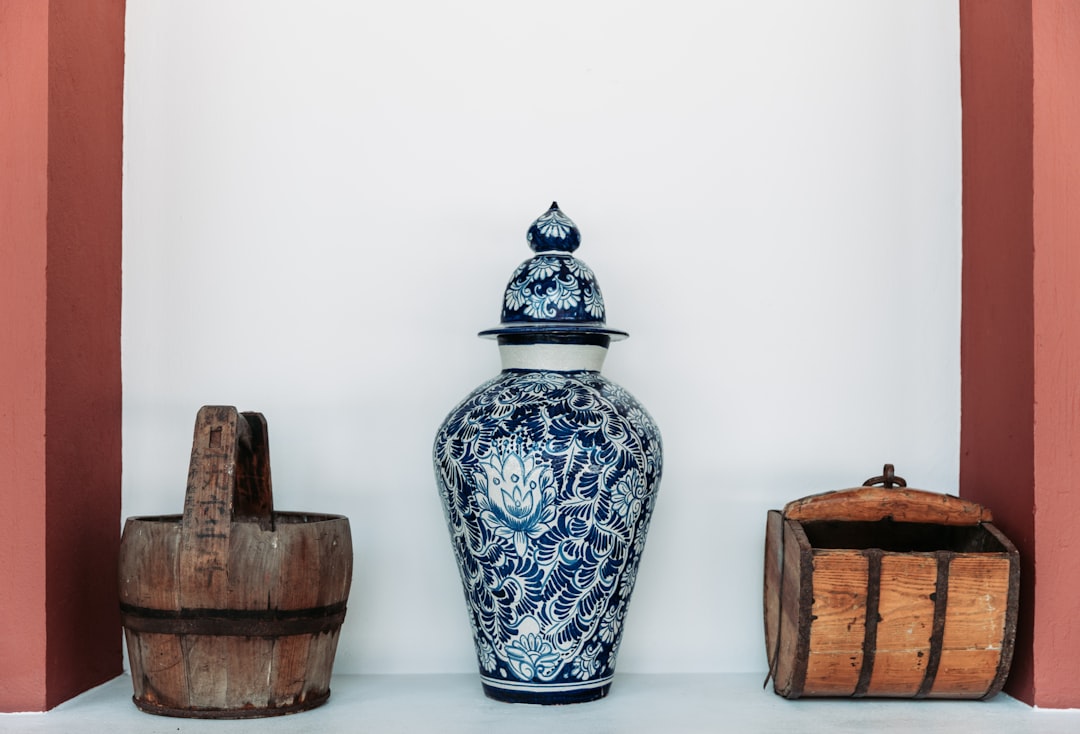
After successfully participating in a live online auction, such as Saturday Live Auction Worcestershire, art collectors must be prepared for post-auction care and ownership responsibilities. This critical phase ensures the preservation and appreciation of acquired artworks over time. Proper care includes providing suitable environmental conditions to prevent deterioration; this involves controlling temperature, humidity, and light exposure. For instance, many experts recommend storing paintings in a cool, dry place, away from direct sunlight, to avoid damage from heat or moisture.
Ownership also entails understanding the legal aspects of art acquisition. Collectors should be aware of their rights and responsibilities regarding ownership transfer, importation/exportation regulations (especially when dealing with international sales), and any relevant tax implications. For example, in some jurisdictions, a sales tax may apply to artwork purchases, while others have specific duties or tariffs for imported pieces. Art professionals recommend keeping detailed records of transactions, including purchase agreements, appraisals, and documentation of provenance, which can facilitate ownership transfer and provide proof of authenticity.
Additionally, post-auction care includes integrating the artworks into a comprehensive art collection strategy. Collectors should consider the artwork’s long-term display needs, insurance requirements, and potential need for conservation or restoration. For example, sculptures may demand specific displays to prevent damage from environmental factors or mishandling during transport. Consulting with experts in art conservation, curating, and restoration can provide invaluable insights into preserving and enhancing a collection over time. This proactive approach ensures that collected artworks not only maintain their beauty but also increase in value through proper care and ownership management.
Live online auctions, such as the Saturday Live Auction Worcestershire, offer art collectors a dynamic and accessible way to acquire artworks from the comfort of their homes. Understanding the intricacies of these auctions, from preparing effectively to employing successful bidding strategies, is key to navigating this exciting landscape. By learning post-auction care processes, collectors can ensure the longevity and value of their newly acquired pieces. This article has provided valuable insights into each step, empowering readers to confidently participate in live online art auctions and build a meaningful collection.
About the Author
Dr. Emily Parker, a renowned art collector and live online auction specialist, possesses over 15 years of experience in the fine arts industry. She holds a PhD in Art History from Harvard University and is a certified professional appraiser by the International Association of Certified Appraisers (IACA). Emily has been featured as a contributing author for Forbes Magazine, offering insights on emerging artists and online auction trends. Her expertise lies in guiding collectors through virtual auctions, ensuring secure and profitable transactions in this dynamic market.
Related Resources
1. Christie’s Online Auctions (Industry Leader): [Offers insights into the world of online art auctions and provides a platform for collectors to explore.] – https://www.christies.com
2. Artnet News (Online Publication): [Covers the latest trends, sales, and events in the art world, including live online auctions.] – https://artnet.com/news
3. Harvard Business Review (Academic Study): [Provides a strategic analysis of the online auction market, focusing on art and luxury goods.] – https://hbr.org/2021/03/how-online-auctions-are-changing-the-art-world
4. The Art Newspaper (Industry Publication): [A go-to source for news and features about the international art market, including coverage of live online auctions.] – https://www.theartnewspaper.com
5. National Endowment for the Arts (Government Portal): [Offers resources and information on arts education, funding, and trends in the United States, relevant to collectors interested in online auctions.] – https://www.nea.gov
6. Sotheby’s Global Online Auctions (Industry Leader): [Explores the digital landscape of art auctions, highlighting successful strategies for both auctioneers and collectors.] – https://www.sothebys.com/en/online-auctions
7. The Metropolitan Museum of Art Bulletin (Academic Journal): [Features scholarly articles on art history, conservation, and collecting, which can provide context for understanding the impact of online auctions.] – https://www.metmuseum.org/publications/bulletin/